
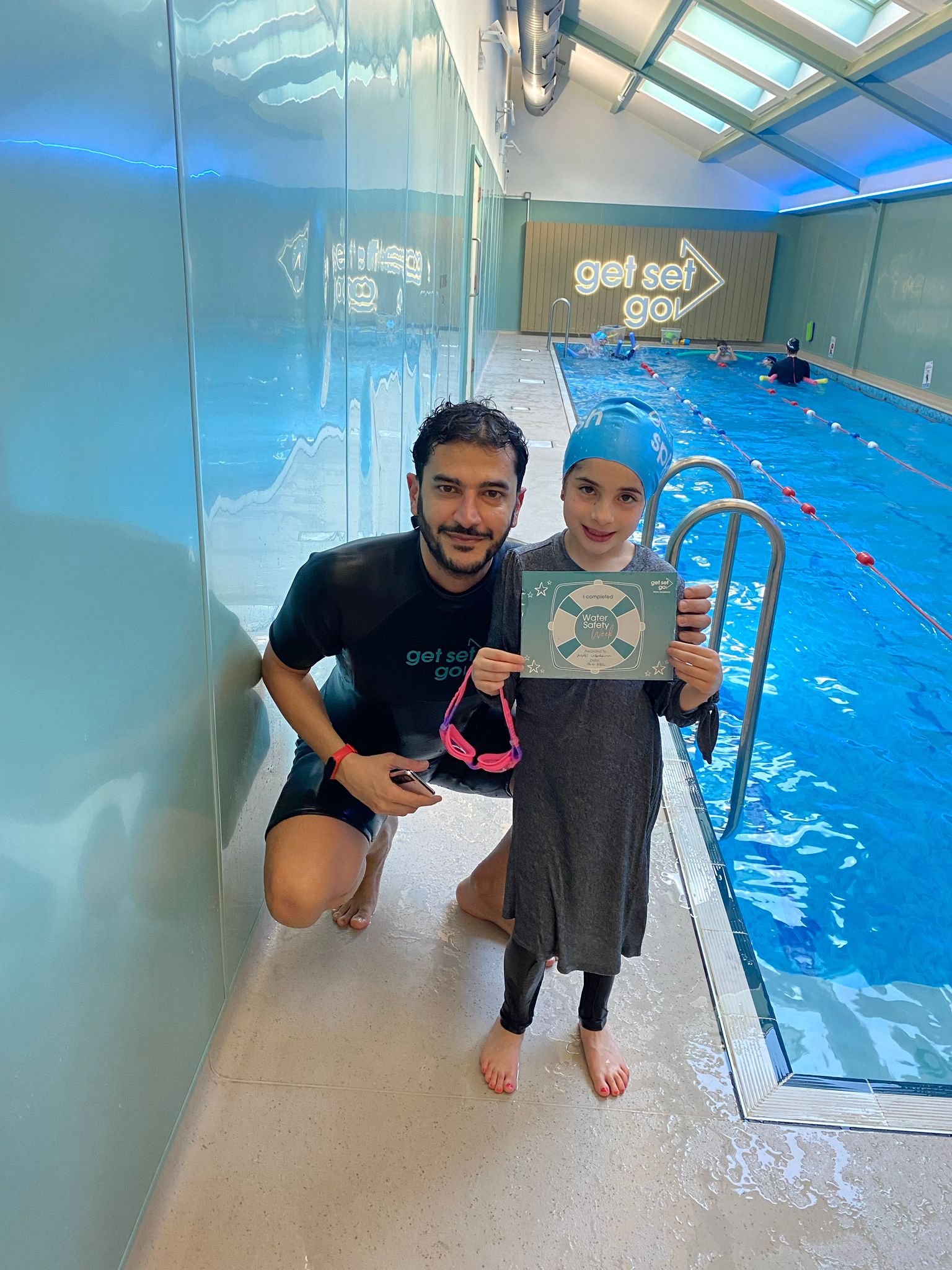
One of the questions parents ask me most often is, ‘Are they ready yet?’
The honest answer is that readiness isn’t just about age, it’s about comfort, curiosity and the right environment.
Over the years, working as a swimming teacher, I’ve met many parents standing poolside asking this exact question: What is the best age to start swimming lessons?
And I completely understand why. It can feel like a big step, especially when your child is still very young.
But what I’ve seen again and again is this: children are often ready much earlier than we think.
I say this not only as a coach, but also as a parent.
My own baby started swimming lessons at 6 months old. I still remember that first day very clearly. Honestly, her mum was more nervous than the baby.
Parents worry about how their child will react, if it’s too early, if they’ll feel comfortable in the water.
But babies surprise you.
From the very first lesson, my baby was calm, curious, and happy in the water. No fear, no resistance — just a natural sense of comfort. And over time, that confidence has only grown.
Now, swimming day is one of our favourite days of the week. There’s a special kind of energy on those mornings. We look forward to it, and you can feel that excitement even before getting in the pool. And as a small bonus — she always sleeps better after her lesson, which many parents will appreciate.
So when parents ask me when should my child start swimming, my honest answer is this: the right time is often when the parents feel ready — because babies are usually ready from much earlier.
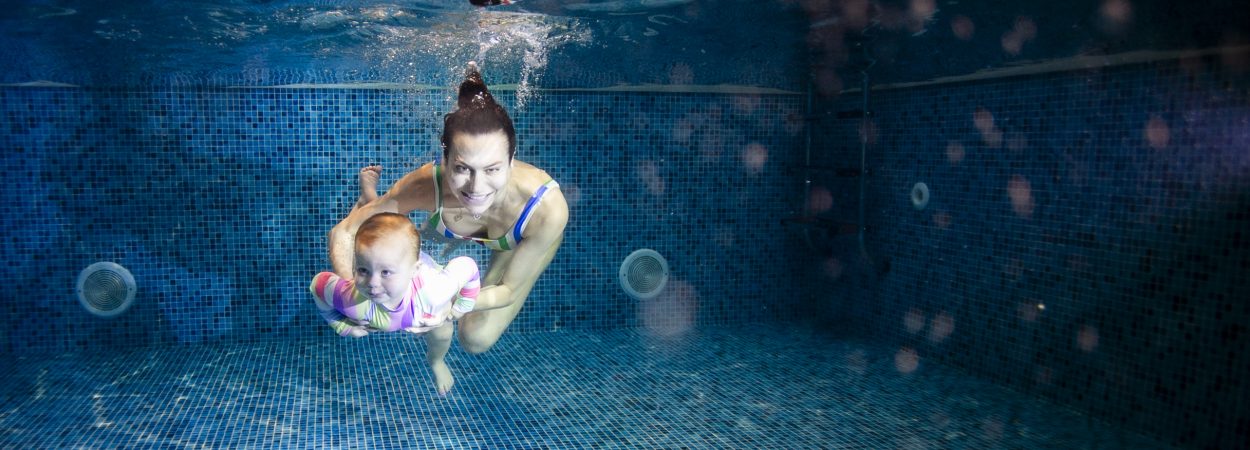
As you may know, babies spend months in the womb surrounded by water. In a way, they are born with a natural connection to it. They also have reflexes, like holding their breath underwater, which makes early exposure not only possible but beneficial.
In my experience, starting earlier makes a big difference in the long term.
When children begin swimming later, I often see more hesitation. Some are unsure about putting their face in the water. Some feel nervous about floating or letting go. That fear doesn’t come from nowhere – it often comes from unfamiliarity.
But with babies who start early, it’s very different.
For them, water is not something new or scary. It’s something they’ve always known. They grow up seeing the pool as a fun, safe, and playful environment. There is no fear of what’s under the water or above it, just curiosity and enjoyment.
I remember during one of our early lessons, I asked for my baby to be gently introduced to short underwater moments. Even though her mum was a bit unsure, the baby didn’t show any negative reaction at all. That early experience helped build her confidence step by step. Now, I can clearly see how comfortable and happy she is in the water.
This is why baby swimming age can be much earlier than most people expect. In fact, seeing very young babies in lessons — even from a few weeks old — is completely normal for us.
Of course, every child is different. And when we talk about toddler swim readiness, it’s not just about physical ability. It’s about emotional comfort too. Some toddlers need a bit more time to adjust, and that’s okay. The key is creating a positive, pressure-free experience.
As a teacher, my approach has always been simple — make it fun.
Children learn best when they are enjoying themselves. When they feel safe, supported, and relaxed, progress comes naturally. It’s not about pushing them, it’s about guiding them. Let them play, let them explore, let them build confidence at their own pace.
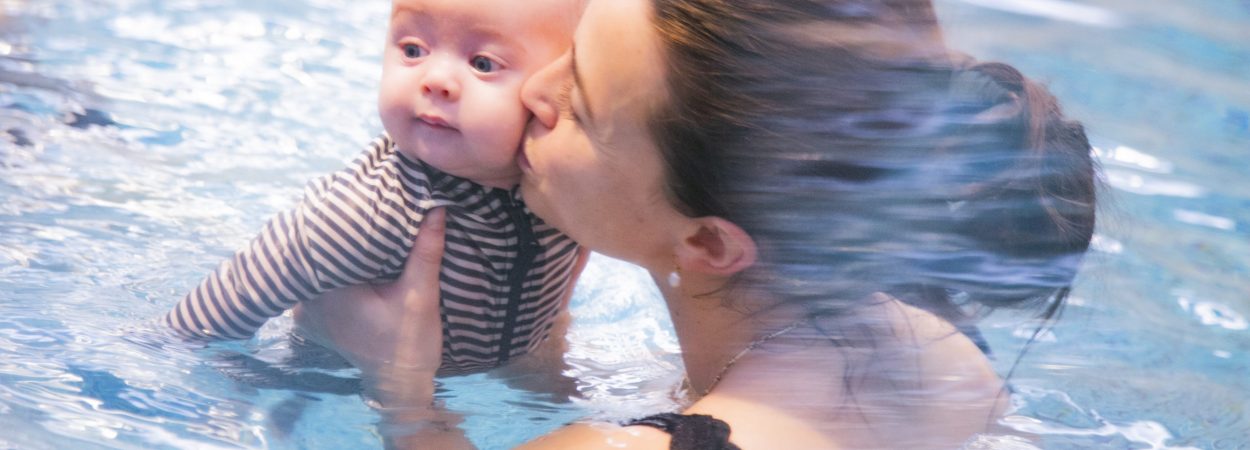
Another important thing I’ve seen is how powerful these lessons are for the parent-child relationship.
Spending that time together in the water, making eye contact, holding them, encouraging them — it builds trust in a very natural way. As a parent myself, I’ve experienced how special those moments are. It’s not just about learning a life skill, it’s about sharing an experience.
So, if you’re wondering about the best age to start swimming lessons, don’t think of it as a fixed number. Think of it as a window.
A window where your child can build confidence, feel comfortable in water, and develop a positive relationship with swimming from the very beginning.
And from everything I’ve seen — both as a teacher and as a parent — starting earlier often makes that journey smoother, easier, and much more enjoyable for everyone involved