
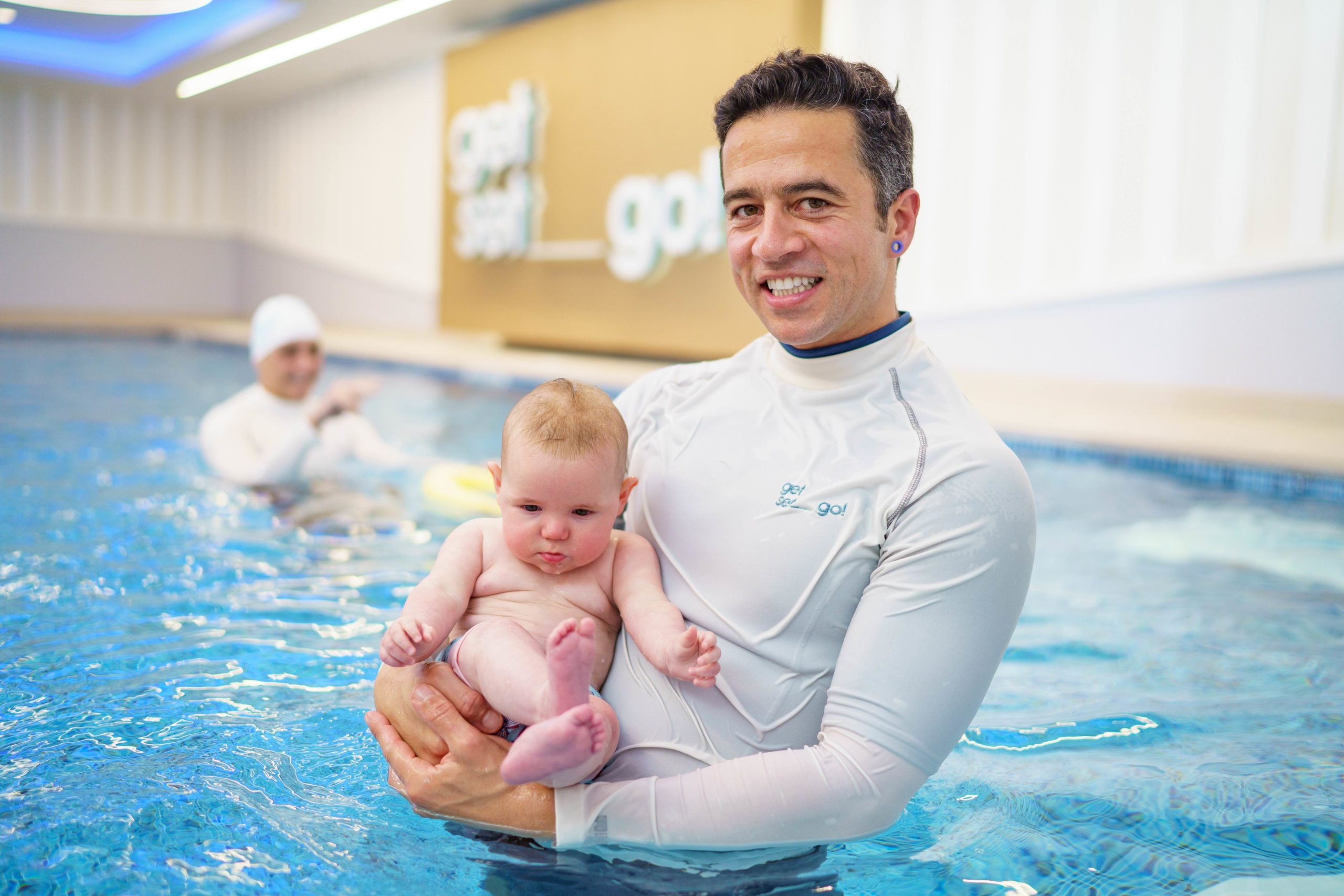
Does starting swimming as a baby really make a difference later on? After more than 25 years in the water, our expert swim teacher Marcelo, shares what he's seen first-hand - from nervous beginners to confident swimmers - and why early, positive experiences can shape how a child feels about water for years to come.
After more than 25 years of teaching swimming, one thing I know for certain is this: anyone can learn.
I’ve taught babies, children and adults — some stepping into the water for the very first time, others carrying fear or difficult past experiences. And time and time again, I’ve seen confidence grow.
But what I’ve also learned is that starting early can make that journey much easier.
Starting later vs. starting swimming early
I once taught a child who was deeply afraid of water. Even washing her hair at home was a struggle. The first time I met her, she wouldn’t go near the pool — she stayed on the side while the rest of her family played happily in the water.
With time, patience and trust, she learned. Today, she’s confident and able to enjoy the water with her family.
I’ve also taught adults — including a woman in her 60s who had a frightening experience in water as a child. For decades, she avoided pools, the sea, anything involving water. But she learned too. Now she swims regularly and enjoys aqua classes with friends.
These stories are important, because they show that it’s never too late.
But they also highlight something else: when children are introduced to water early, they often don’t develop that fear in the first place.
What baby swimming builds
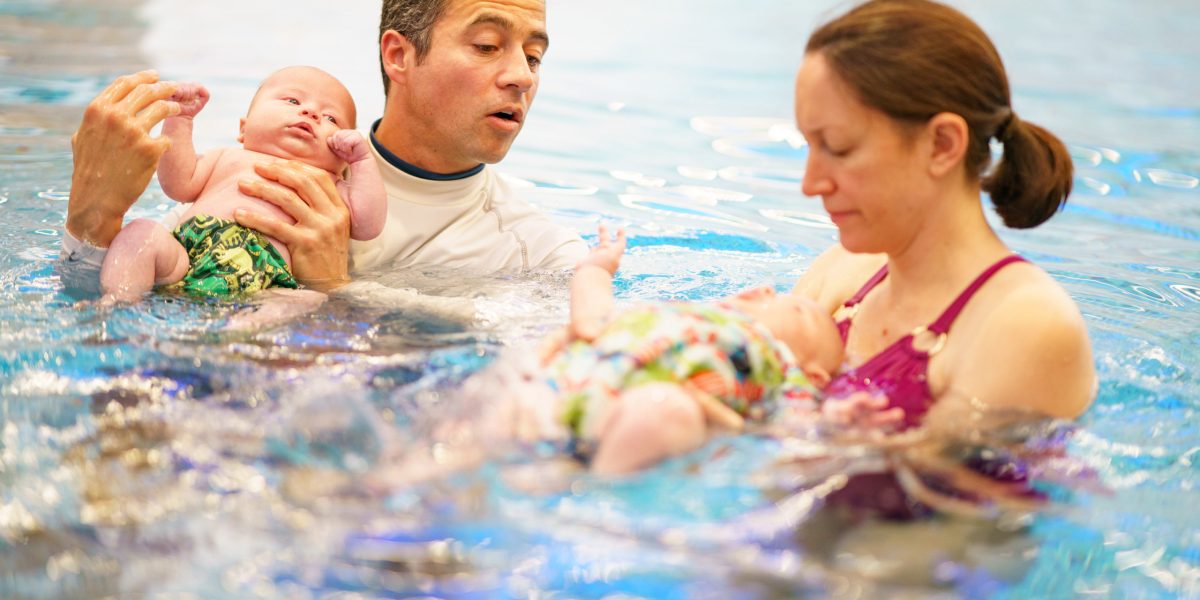
Baby swimming isn’t about teaching babies to “swim” in the traditional sense. It’s about building familiarity.
Water feels normal. Movement feels natural. Being in the pool doesn’t feel overwhelming.
Over time, this leads to steady baby swim progress. By the time children are older, they are often more relaxed, more confident, and more ready to learn independently.
For many children, that early exposure means:
- Less fear of water
- Greater body awareness
- Faster progress when formal lessons begin
And for parents, it often means a much calmer experience when swimming becomes a regular activity.
Confidence, freedom, and life beyond the pool
Swimming is more than a skill — it’s freedom.
When you feel comfortable in water, a whole world opens up. Holidays feel different. Time by the sea feels relaxing rather than stressful. Activities like paddleboarding, snorkelling or simply floating become enjoyable rather than intimidating.
For me personally, swimming has taken me all over the world — from the Red Sea to Brazil, from Thailand to the Bahamas. Some of my most memorable experiences have happened in the water.
That’s something I always think about when teaching children. Learning to swim isn’t just about lessons today — it’s about the life they’ll be able to enjoy later.
The safety perspective
There is also a more serious side.
Before becoming a teacher, I worked as a lifeguard in Brazil. I saw first-hand how important water confidence and basic safety skills are.
Drowning remains a real risk worldwide. In the UK, hundreds of people lose their lives to drowning each year. While lessons can’t remove all risk, early exposure to water helps children feel calmer, more aware and more capable.
By around age three, many children who have had early swimming experiences begin to understand simple but vital skills — like floating, breathing and moving through the water.
That foundation matters.
What to expect from baby swimming
The first lesson is often a mix of emotions — for both baby and parent.
There can be nerves, curiosity, excitement, even a little uncertainty. That’s completely normal.
With time, those feelings usually shift. Babies become more relaxed. They start to enjoy the sensation of the water, recognise routines, and respond to familiar faces.
Parents often notice changes too — not just in the water, but in confidence, coordination and even sleep.
And perhaps most importantly, lessons become something to look forward to. A shared moment in the week that feels calm, positive and connected.
A foundatin that lasts
Baby swimming isn’t about rushing milestones.
It’s about giving children a gentle, positive introduction to water — one that builds confidence slowly and naturally.
Because when that foundation is in place, everything that follows tends to feel easier.
And while anyone can learn to swim at any age, those early experiences often shape how a child feels about water for years to come.
If you’re thinking about starting your child’s swimming journey, read more about our parent & baby swimming lessons in London and see how we support early confidence in the water.