
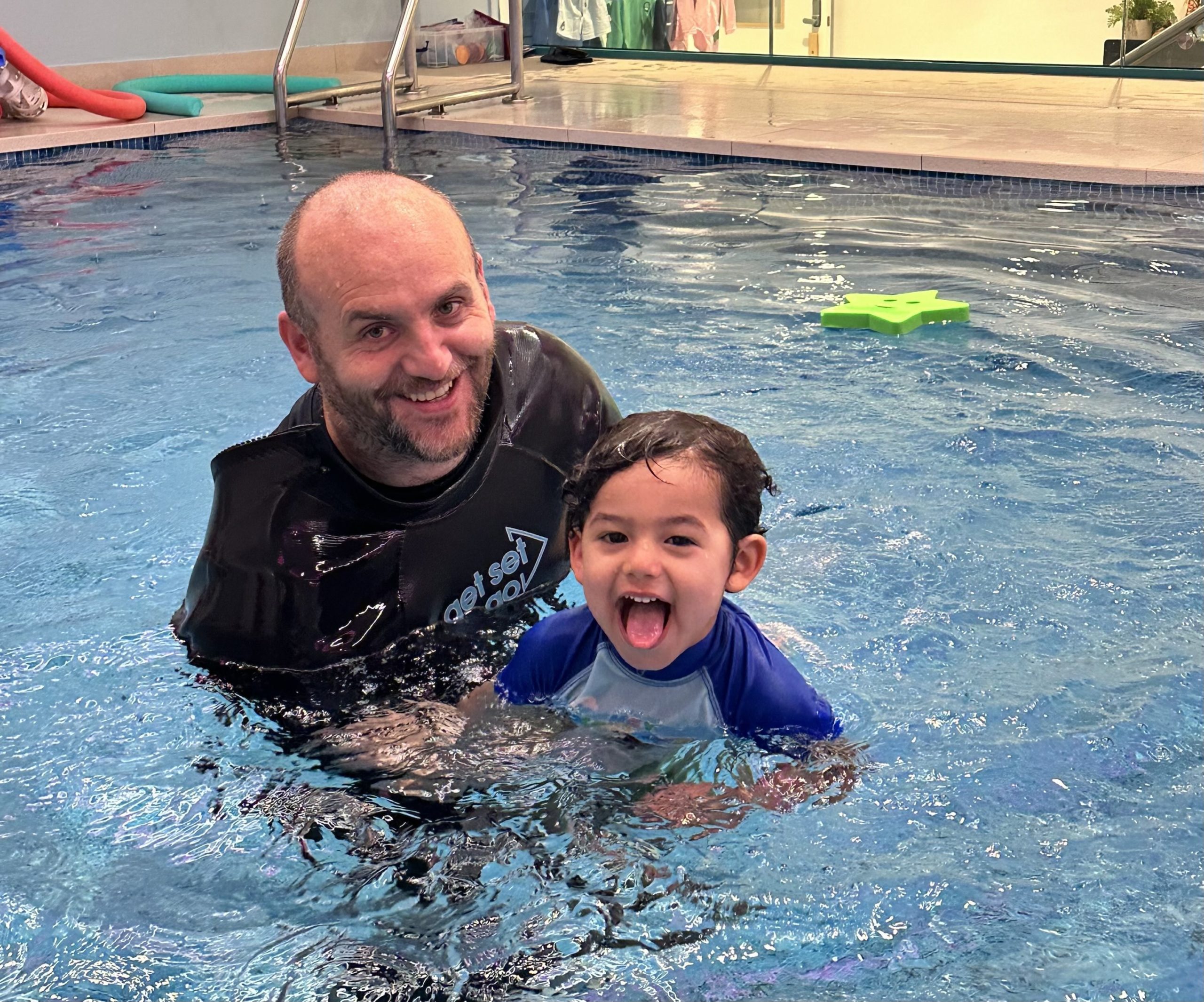
When parents think about toddler swimming, safety is usually their main priority. But what many don’t realise is how much these early swim lessons support development — from coordination and confidence to how children experience and understand their own movement. Our expert teacher, Alessandro, explains why.
When most people think about toddler swimming, they think about safety.
And of course, that matters. But what many parents don’t realise is how much is happening beneath the surface — particularly when it comes to early development.
In the toddler years, the brain is growing and adapting at an extraordinary pace. Neuroscientist David Eagleman explains that by the age of two, a child has more neural connections than they will ever have again. Over time, the brain begins to refine itself — strengthening the connections that are used regularly, and letting go of those that aren’t.
In simple terms, children become who they are through experience.
Why swimming is so powerful at this age
What makes swimming particularly valuable for toddlers is the range of experiences it offers in a single session.
In the water, children are not just “swimming.” They are:
- climbing in and out
- reaching and grasping
- kicking, splashing and balancing
- responding to instructions and cues
- exploring movement in a completely different environment
All of this happens in a setting that combines physical activity with rich sensory input — something that plays an important role in early development.
Water provides gentle resistance, which helps build strength and coordination. At the same time, the sensation of buoyancy allows children to move in ways they simply can’t on land.
Movement, sensory input and confidence
One of the more subtle toddler swimming benefits is how it supports body awareness.
In the water, children begin to understand how their movements affect their position and balance. They learn how to control their bodies, adjust, and try again — all within a supportive environment.
There’s also a calming effect. The warmth of the water, the rhythm of movement, and the structured nature of lessons can help children settle, focus and feel more at ease.
Over time, this contributes to growing confidence — not just physically, but emotionally too.
A different kind of freedom
There’s something quite special about how children move in water.
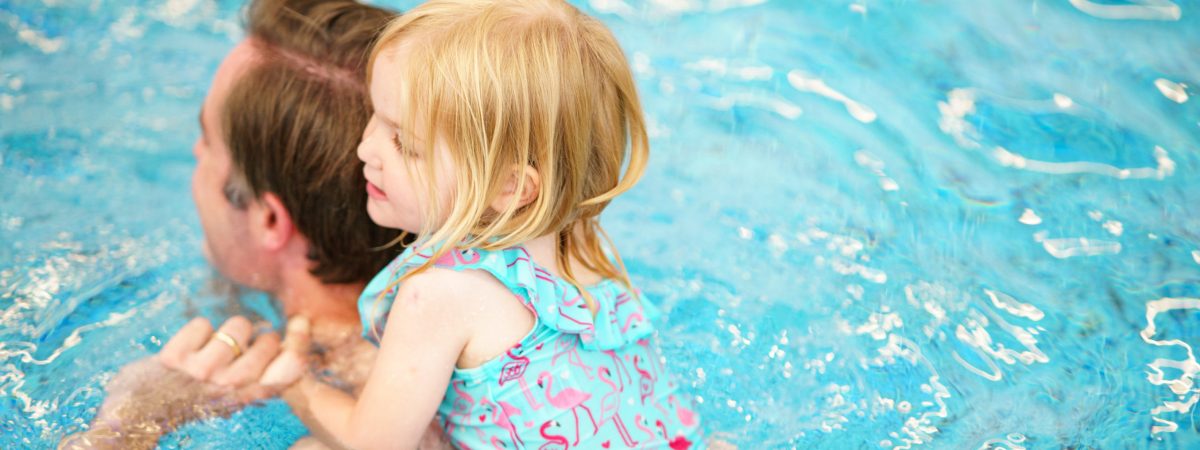
For a toddler, the experience of buoyancy — being supported rather than pulled down — creates a sense of lightness and freedom. Movements feel bigger, more fluid, and often more exciting.
It’s not something we tend to think about as adults, but for children, this feeling can be incredibly empowering. It encourages exploration, play and a willingness to try new things.
Building foundations that last
Toddler swimming isn’t about perfect technique or early achievement. It’s about giving children a wide range of positive, physical and sensory experiences at a time when their brains and bodies are developing rapidly.
Those early experiences help shape coordination, confidence and comfort in the water — all of which make future learning feel more natural.
And while safety will always be the reason many parents start, what often keeps them coming back is seeing just how much their child is gaining beyond it.