
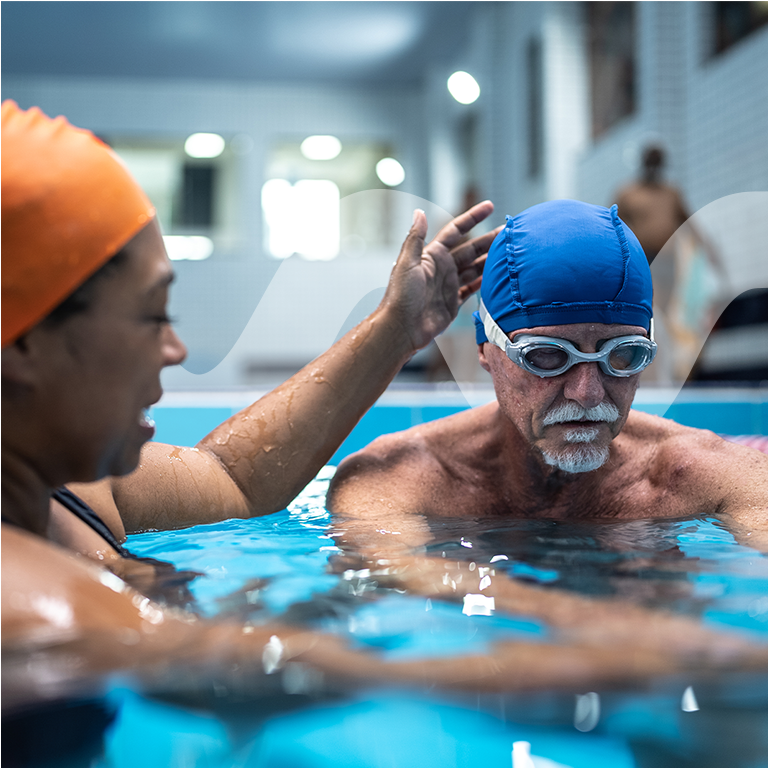
It’s normal to feel a little nervous about swimming as an adult. Maybe you never learned properly, or life got in the way. Maybe you want to finally feel confident to try the pool out on holiday, are preparing for a charity swim, or just want to feel more comfortable in the water.
Whatever your reason, you’re not alone — and it’s never too late to start.
Why adult swimming is different (and why that's ok)
Adults often learn differently to children. Your body already understands movement, but you may have old habits or fears to overcome. Unlike young children, you’re aware of water safety, technique, and your own limits — which actually makes progress easier once you know how to practise.
Key principles that help adults succeed:
Small steps build confidence – mastering floating or breathing before strokes
Repetition is your friend – muscles and memory respond faster than you think
Support matters – instructors who guide from the water or poolside make a huge difference
Patience and self-compassion – progress is measurable in centimetres and seconds, not leaps
Relaxation and breath control: your keys to success
If there’s one thing adult beginners struggle with most, it’s tension. Shoulders tight, chest constricted, holding your breath without realising it — all of this makes swimming feel harder than it needs to be.
Learning to relax in the water is crucial.
Breath control: Learning to breathe rhythmically — in through the mouth, out through the nose or mouth — allows your body to stay calm and buoyant. Panic or shallow breathing quickly leads to fatigue.
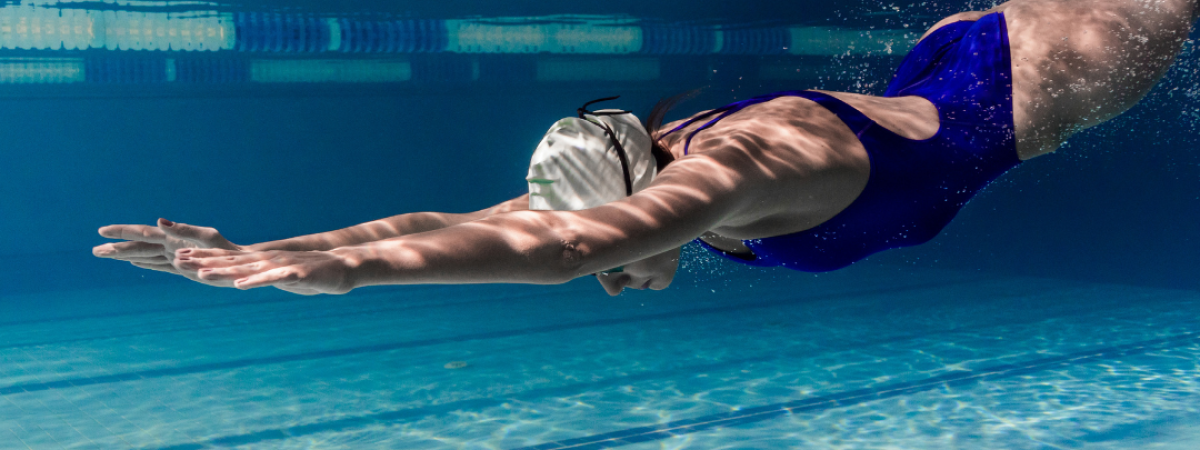
Floating and body awareness: Relaxation lets you feel the water’s support. Your body naturally floats when you release tension, making strokes more efficient.
Mental calm: Focusing on slow, steady breathing gives your mind something concrete to do, reducing anxiety.
At GetSetSwim, we prioritise breath work and relaxation from the very first lesson. Adults learn simple exercises for floating, submerging, and gliding that build muscle memory while keeping stress low. Instructors guide you step by step — you don’t have to ‘just figure it out.’
Common challenges beginner swimmers face
Fear of putting your face underwater – this is completely normal. It can take a few lessons to feel comfortable.
Tension in the body – stiff shoulders or tight muscles make floating harder. Relaxation exercises help.
Difficulty coordinating breathing and movement – learning to breathe rhythmically while swimming is a skill in itself.
Comparing yourself to others – adult learners progress at different rates; focus on your journey.
How to get started with swimming
- Start in shallow water where you feel secure.
- Use goggles to help you see and reduce anxiety.
- Focus on breathing first — floating and gliding can wait until you feel safe.
- Practice short, consistent sessions rather than long, infrequent lessons.
- Celebrate small wins — even being able to float independently is progress.
Progress at your own pace
Learning as an adult is a process. Most swimmers start with:
Feeling comfortable in the water and safe entering/exiting the pool.
Floating and basic glides on front and back.
Simple strokes with proper breathing and kicking technique.
Gradually increasing distance, stroke variety, and confidence.
At GetSetSwim, progress is tracked week by week and celebrated with milestones, so learners can see exactly how far they’ve come, even when progress feels slow.
The final stroke
Adult beginners can — and do — learn to swim every day. It’s never too late, and the right environment, guidance, and approach make all the difference.
Focus on breath, relaxation, small wins, and repetition, and you’ll discover that swimming can be calm, enjoyable, and completely achievable.
Want to give it a try but worried about fitting it into your busy life? Start with a free lesson and explore our flexible adult swimming lesson packages — warm, purpose-built pools, judgement-free coaches right there with you in the water.