
When parents think about water safety, they usually think about swimming lessons.
And of course, learning to swim is one of the most important life skills a child can have.
But at GetSetSwim, we often remind parents that water safety isn’t one big decision. It’s made up of hundreds of small ones.
Some are obvious: supervision, confidence in the water, knowing your child’s ability. Others are less visible. And some are as simple as what your child is wearing.
Water safety is built in layers
Real water safety doesn’t come from a single skill or moment of learning. It’s something that builds over time.
It’s a combination of:
- Consistent, active supervision
- Age-appropriate swimming lessons
- Understanding your child’s confidence in different environments
- Knowing how to respond if something doesn’t go to plan
- Small practical choices that support visibility and awareness
One of the most important shifts we try to help parents make is this: water safety isn’t reactive, it’s preventative.
That means thinking ahead, even in ways that might not feel immediately obvious.
Why swimming ability alone isn't enough
We see this often in lessons. A child may be able to swim a distance confidently in a controlled pool environment, but that doesn’t automatically translate to open water, busy holiday pools, lakes or the sea.
Different environments change everything: visibility, temperature, fatigue, distraction, even confidence.
That’s why we place such emphasis on water safety as part of learning, not something separate from it.
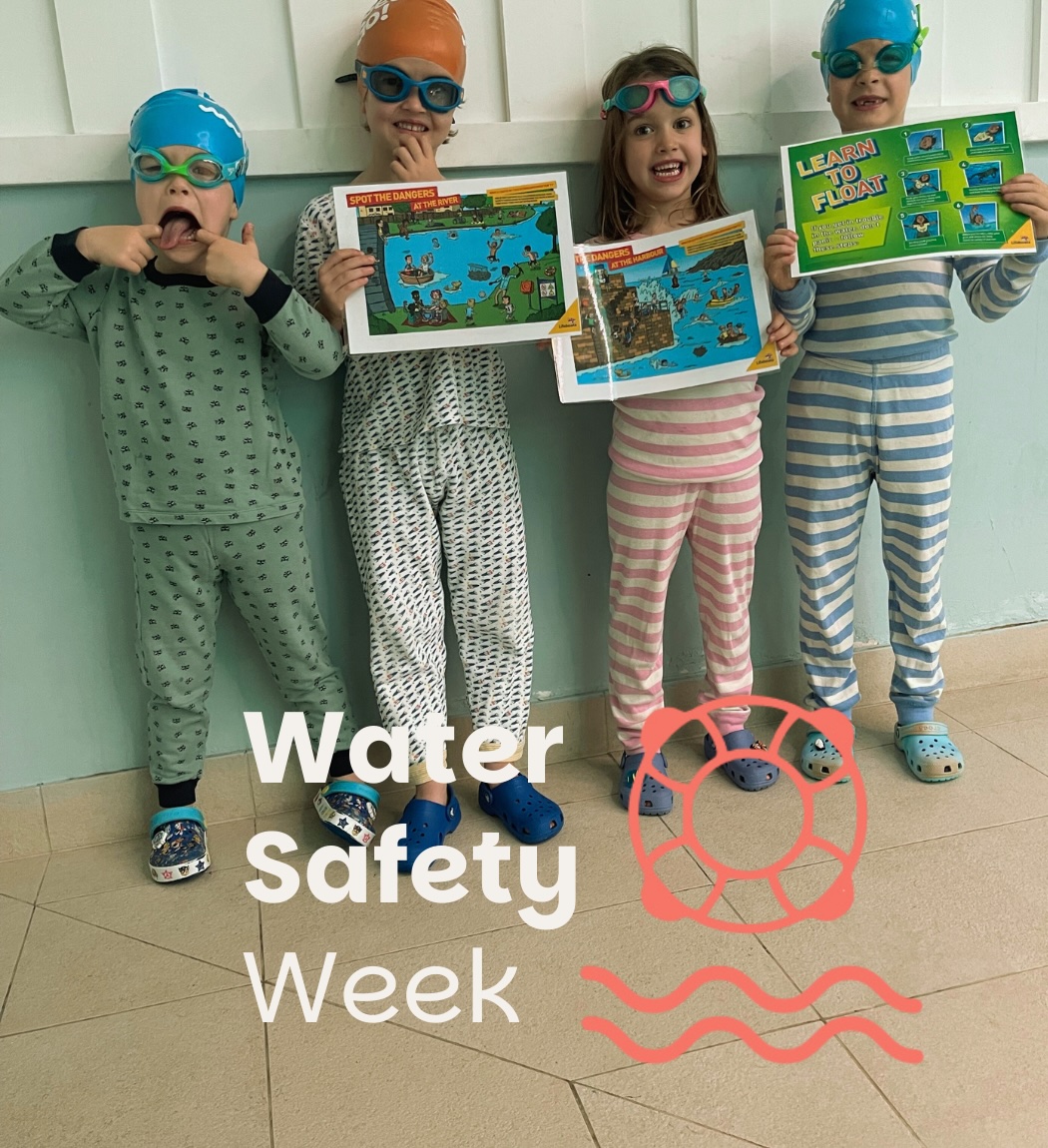
At GetSetSwim, every child aged 3+ takes part in our Water Safety Weeks three times a year as part of their lessons.
These sessions are designed to help children understand how to respond in real-world situations: not just how to move through water, but what to do if things don’t go to plan.
Through playful, structured activities, children learn:
- Safe entry and exit from the water
- How to respond if they unexpectedly fall in
- How to float and tread water
- How to stay calm and conserve energy
- How to perform a simple reach rescue
- And how to make safer decisions around water
They also experience something very simple but powerful: swimming in pyjamas, so they understand what water feels like in a real-life scenario.
Because water safety isn’t just about what happens in lessons, it’s about what happens outside them too.

The swimwear detail most parents don't realise
Most swimwear is chosen for comfort, style or what a child will actually agree to wear (which, as any parent knows, is often the real deciding factor).
But visibility in water is something worth considering.
Whether in a swimming pool, a lake or the sea, children can become harder to spot than most parents realise — especially in busy or changing conditions.
Water distorts colour and light. Movement, reflections and depth all affect how clearly someone can be seen.
Some colours blend more easily into water environments. Others stand out more clearly.
Research* has show that in general:
- Pale blues, greys and whites can disappear against pool floors or open water
- Dark colours like navy or black can be harder to distinguish at a distance
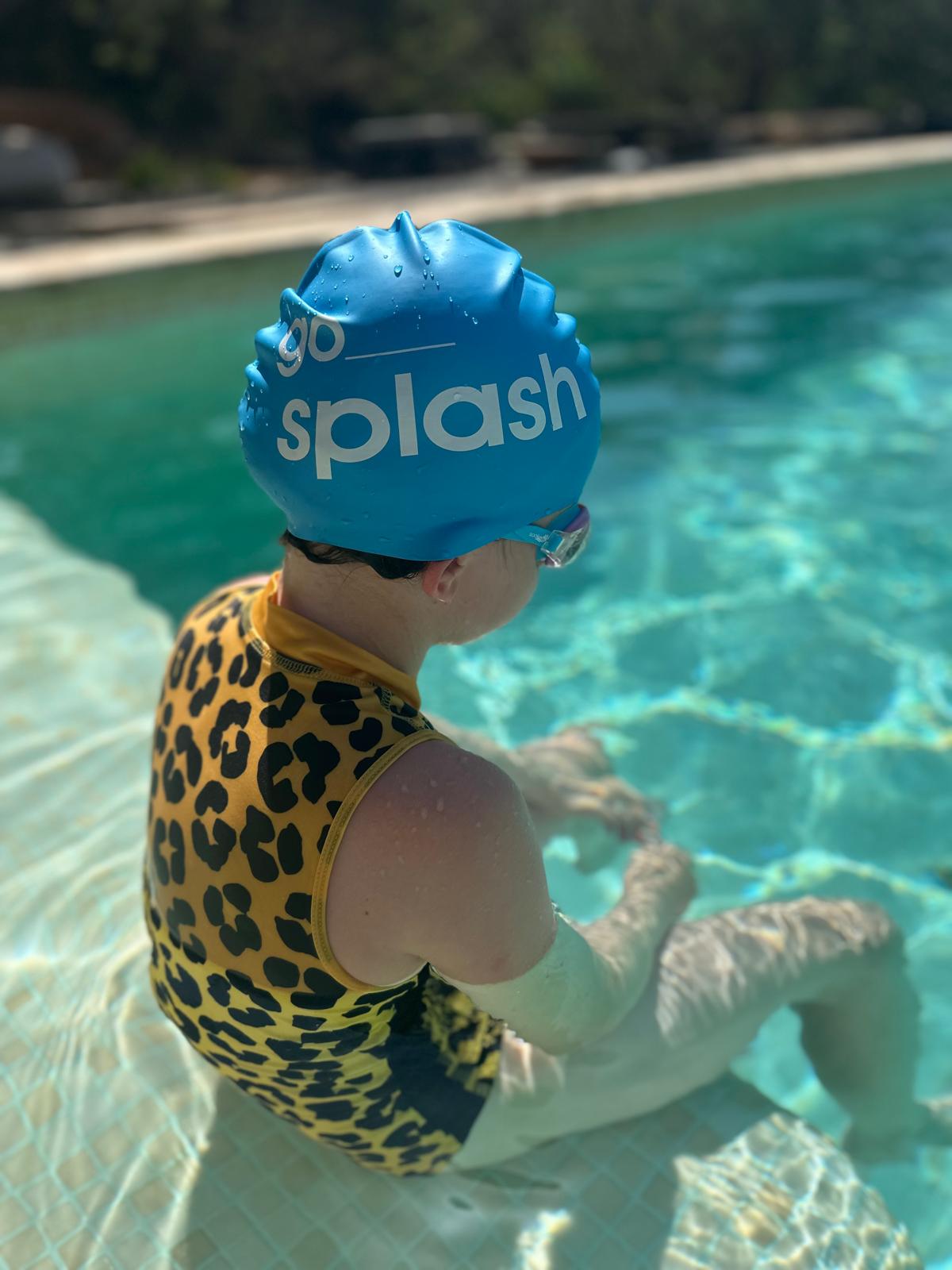
- Bright, high-contrast colours tend to remain more visible – neon orange, pink, yellow and lime green in particular
This isn’t about creating worry, and it’s certainly not a replacement for supervision or swimming ability. It’s one of those small, practical choices that can help improve visibility in busy or open water environments.
* You can read more about the Alive Solutions Inc research here
Pools, lakes and the sea are not the same
It’s easy to think of “water” as one environment, but the reality is very different.
A brightly lit swimming pool with clear water behaves very differently to a lake, where depth and colour can change quickly. The sea brings movement, waves and reflections that constantly shift visibility.
That’s why we encourage parents to think about water safety as something flexible — something that changes depending on where you are, not just what your child can do.
The role of Water Safety education
Swimming lessons build confidence in the water. Water safety education builds confidence around the water. Both matter.
That’s why our Water Safety Weeks are such an important part of what we do at GetSetSwim. They give children the opportunity to experience real-world scenarios in a safe, structured environment, so they learn not just how to swim — but how to think in water.
The goal isn’t to make children fearful; It’s to make them capable.
Small changes - bigger confidence
There is no single thing that keeps a child safe around water. It’s the combination of:
- Skills
- Awareness
- Environment
- Supervision
- And thoughtful preparation
Swimwear colour sits within that list; not as the most important factor, but as one of the many small decisions that can support visibility and awareness.
And often, it’s those small decisions that make the biggest difference in real life.
At GetSetSwim, we believe water safety should feel practical, not overwhelming. Something parents can understand, act on, and build into everyday life — from lessons in the pool to family days at the beach.
When children are supported by layers of good habits, awareness and confidence, they don’t just become better swimmers. They become safer, more capable ones too.