
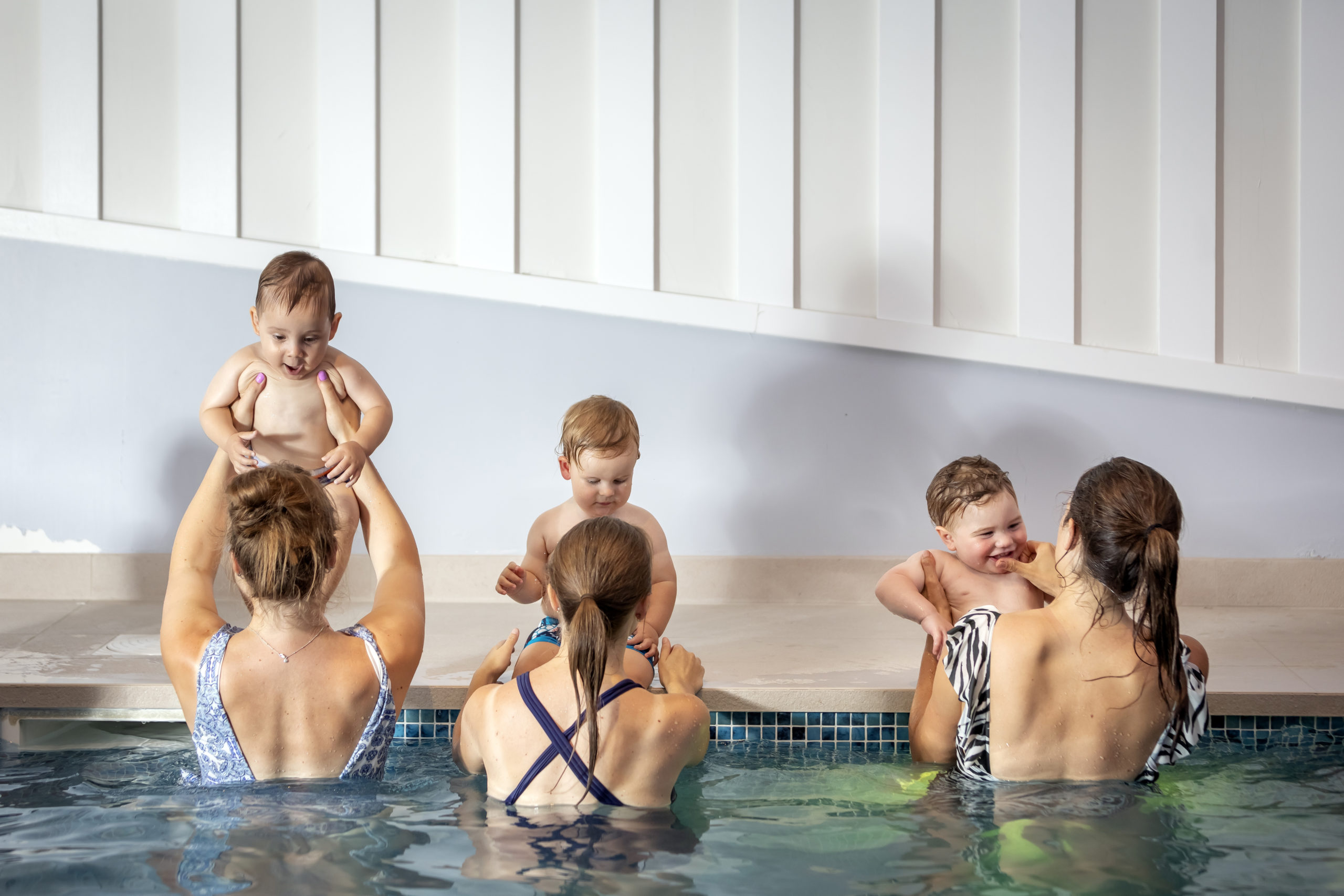
Finding the right swimming lessons can feel like a big decision.
A quick online search brings up hundreds of options. Leisure centres, private swim schools, one-to-one lessons, after-school classes, weekend sessions… they all promise experienced teachers, structured programmes and confident swimmers.
So how do you know what's right for your child?
The truth is there isn't one perfect swimming school for every family. Every child arrives at their first lesson with their own personality, experiences and pace of learning. Some can't wait to jump in. Others need time to watch, build trust and take things one small step at a time. And that's completely normal.
At GetSetSwim, we've worked with hundreds of families across London over the years, and if there's one thing we've learnt, it's this: when children feel safe, understood and encouraged, they're much more likely to enjoy learning - and that's when real progress happens.
This guide isn't about telling you which swimming school to choose. It's about helping you understand what really matters, so you can find the right fit for your family.
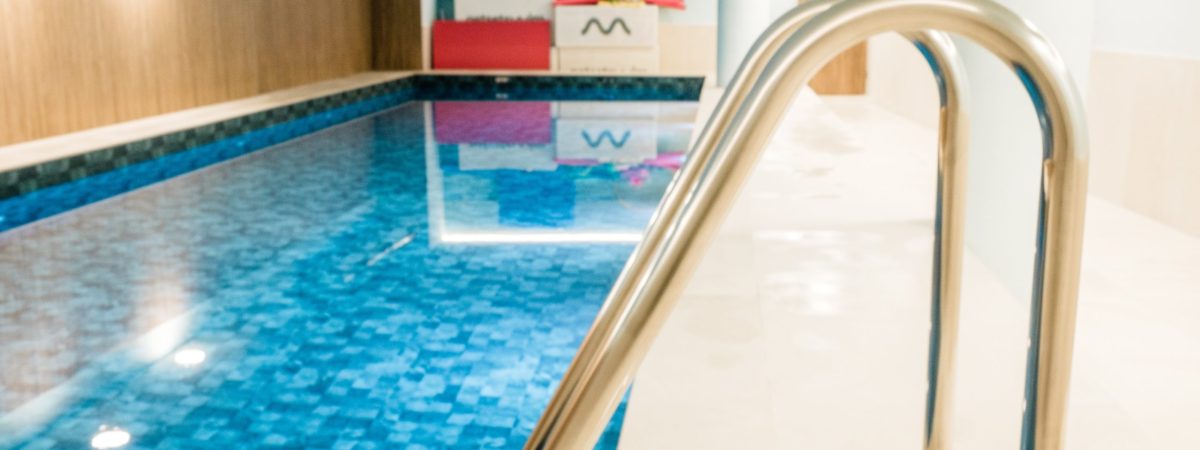
Start with your child - not your timetable
When parents first get in touch with us, they often ask about lesson times, locations or prices.
They’re all important, of course. But the better place to start is with your child.
Ask yourself:
- Are they excited about the water or a little unsure?
- Have they had any previous swimming experience?
- Do they enjoy trying new things, or do they prefer to take a little longer to settle?
- Are they happiest in a group, or do they usually benefit from more individual support?
There isn’t a right or wrong answer.
Some children thrive from the moment they step into the pool. Others might spend the first lesson holding onto the side or wanting you close by. Neither tells you anything about how capable they’ll become.
Swimming isn’t a race, and confidence doesn’t arrive on a timetable.
Remember you're choosing an experience, not just a lesson
Swimming lessons become part of family life. They sit alongside the school runs and football matches, dance classes, birthday parties and everything else that fills your diary.
The right swim school doesn’t add to the stress. It becomes part of your family’s regular routine that everyone looks forward to.
It’s worth asking yourself:
- Will getting there be manageable every week?
- Are the lesson times realistic for our family?
- Will my child feel comfortable in the environment?
- Will we enjoy coming here every Saturday (or Tuesday… or Wednesday!) for months, maybe years?
Sometimes travelling just a little bit further can be worth it if it means your child is genuinely happy and excited to come back each week.
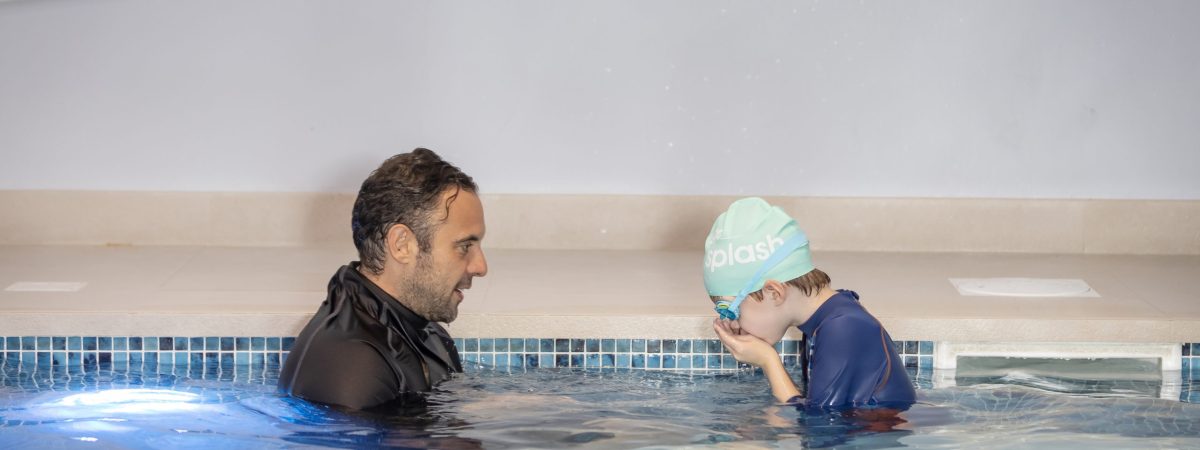
A great teacher sees the child, not just the swimmer
Children learn best when they feel known.
Of course, qualifications and experience matter, but so does kindness and patience. Noticing that today your child seems a little quieter than usual because they’ve had a difficult day at school.
The best swimming teachers don’t simply teach front crawl – they build trust and celebrate tiny victories. They know when to encourage and when to give a child a little more time.
If you have the opportunity to trial or watch a lesson, look beyond what’s being taught.
Notice how the teachers speak to the children. Do they smile? Learn names? Celebrate effort? Help nervous swimmers feel included?
Those moments often tell you far more than a list of awards or qualifications.
Confidence always comes before technique
One of the biggest misconceptions about swimming lessons is that progress is measured by how quickly children learn different strokes.
In reality, swimming starts long before front crawl.
It starts with feeling comfortable enough to splash. To blow bubbles. To float. To put your face in the water. To trust the person beside you.
Children who feel confident in the water are much more likely to develop strong swimming skills later on. That’s why a good swimming programme never rushes confidence – and always nurtures it.
It's not unusual for your child to feel nervous
Probably one of the biggest worries we hear from parents is that their child is nervous around the water – or about lessons themselves.
“My child is excited until we get to the pool.”
“They refuse to get in – and spend the lesson clinging to me.”
“They cried all the way through the lesson.”
“We’re worried we’ve started too late.”
Please know that these experiences are incredibly common.
Learning something new can feel overwhelming, especially in water.
An experienced swimming teacher understands this. Rather than forcing children to move on before they’re ready, they’ll work patiently to help each child build confidence at their own pace.
Sometimes the biggest achievement in a lesson isn’t swimming a length – it’s smiling by the end of the session.
These seemingly little milestones are actually great progress – and always worth celebrating.
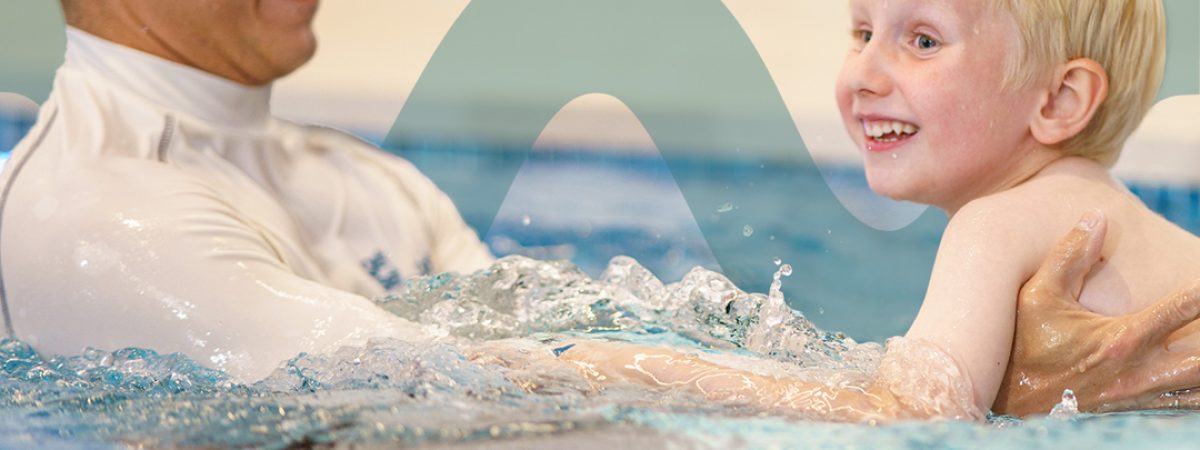
Small details can make a big difference
Parents often focus on lesson length or price, but there are lots of smaller things that shape your child’s experience.
Questions worth asking include:
- How many children are in each class?
- Will the same teacher usually take the lesson?
- Is the pool warm enough for younger children?
- How are children grouped?
- How is progress shared with parents?
- What happens if my child needs a little longer at one stage?
None of these questions are “fussy”. They’re exactly the sort of things that help you understand how a swimming school supports families, not just swimmers.
Progress isn't always obvious
One week your child might suddenly swim independently for the first time. The following week they might seem reluctant to try something they’ve done before. That’s completely normal.
Learning rarely happens in a straight line. Children often spend weeks quietly building confidence before everything suddenly clicks into place.
It’s important not to rush towards the next certificate or badge – our aim is to help children develop strong skills they’ll have for the rest of their lives.
Look for a swimming school that works with parents
Parents know their children better than anyone. And a good swimming school values that.
You should feel comfortable asking questions, sharing concerns or celebrating milestones together.
Whether it’s a child who’s suddenly discovered a love of diving underwater, or one who’s finding lessons a little more challenging than expected, open conversations help everyone support your child in the best possible way.
Swimming is a partnership between teachers, children and families. The strongest progress often comes when everyone is working together.
Finding the right swimming lessons for your family
There isn’t a checklist that guarantees you’ve found the perfect swimming school. Instead, trust how it feels.
- Do the teachers make time to get to know your child?
- Do you feel listened to when you ask questions?
- Can you imagine coming back week after week because your child is excited to be there?
The right swimming lessons don’t just teach children how to move through the water. They help children become more confident in themselves – and they give parents something just as valuable: the reassurance of knowing their child is learning in an environment where they’re understood, encouraged and supported every step of the way.
Questions parents often ask:
What age should my child start swimming lessons?
Every child is different, but many begin enjoying the water from a very young age (at GetSetSwim our Parent & Baby classes start from 12 weeks’ old – and Children’s Lessons start from 3 years old).
Rather than focusing on age alone, think about your child’s confidence, curiosity and readiness to explore a new environment. A good swim school will help you find the most appropriate starting point.
What if my child cries or is reluctant to join in?
Feeling nervous is much more common than many parents expect.
New environments can feel overwhelming, and experienced teachers understand that confidence takes time. The aim isn’t to stop the tears as quickly as possible – it’s to help children gradually feel safe, secure and ready to enjoy the water.
Are smaller classes always better?
Not necessarily, but smaller groups often allow teachers to get to know each child more closely and adapt activities to individual needs. It’s worth asking how lessons are structured and how much individual attention children receive.
How long does it take children to learn to swim?
Every child’s journey is different.
Some progress quickly, while others need longer to develop confidence. Learning to swim isn’t about reaching the next stage as fast as possible – it’s about becoming safe, capable and happy in the water.
Should I choose the nearest swimming pool?
Convenience matters, especially for busy families. But it’s also worth considering the overall experience. A warm, welcoming environment where your child feels relaxed and supported is often worth a slightly longer journey.