
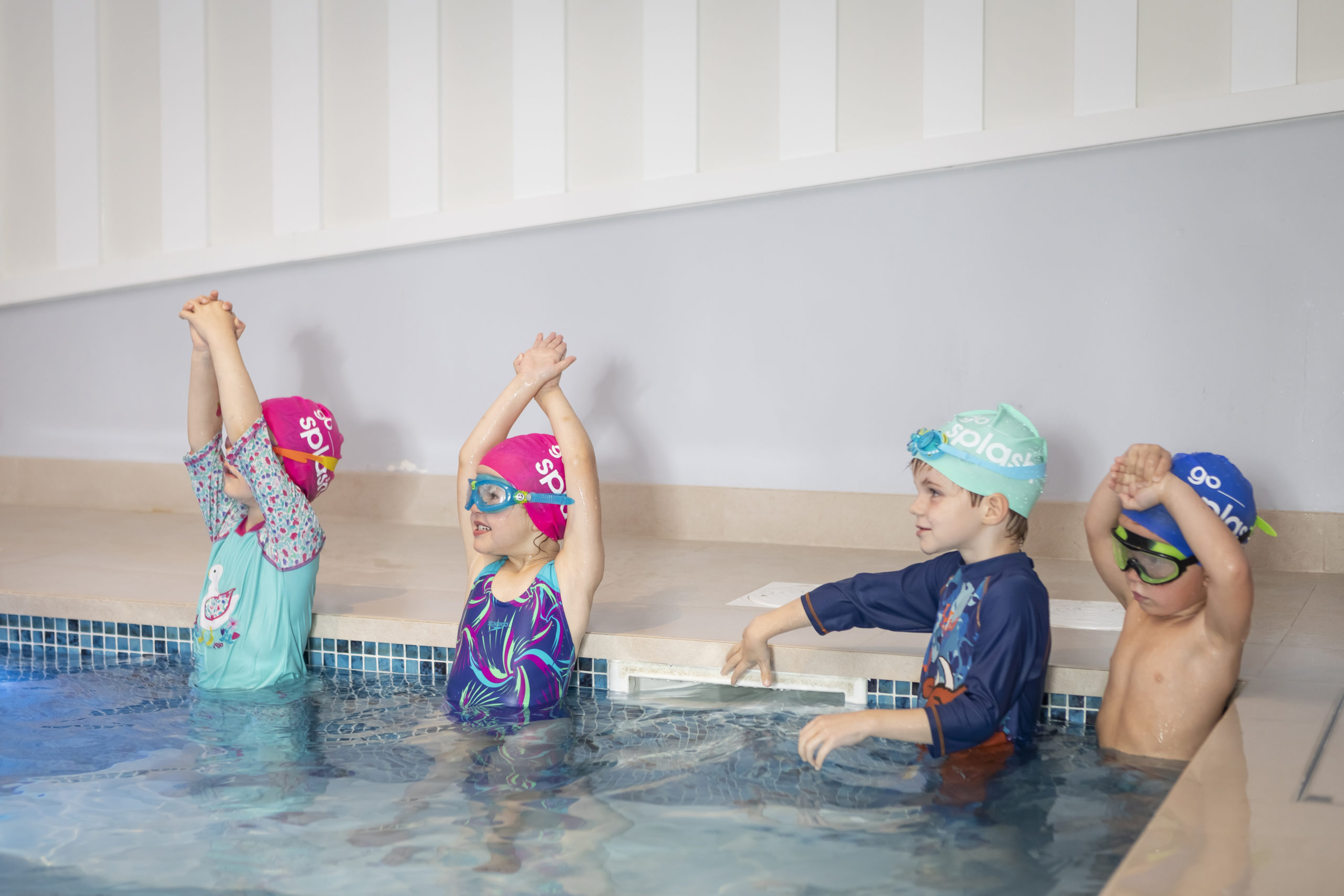
If your child has suddenly decided they don't want to go swimming anymore, cries before lessons or clings tightly to you at the side of the pool, it can be heartbreaking.
You might be wondering if you've started lessons too early. Or too late. Perhaps you're worried they're falling behind other children – or questioning whether swimming lessons are the right thing for them at all.
First, take a deep breath.
What you're experiencing is far more common than you might think.
Over the years at GetSetSwim, we've supported hundreds of families through these moments, and we've learnt something important: confidence in the water doesn't develop in a straight line. Like any new skill, it comes with ups and downs, small victories and the occasional wobble.
The good news? With patience, understanding and the right support, most children go on to become happy, confident swimmers.
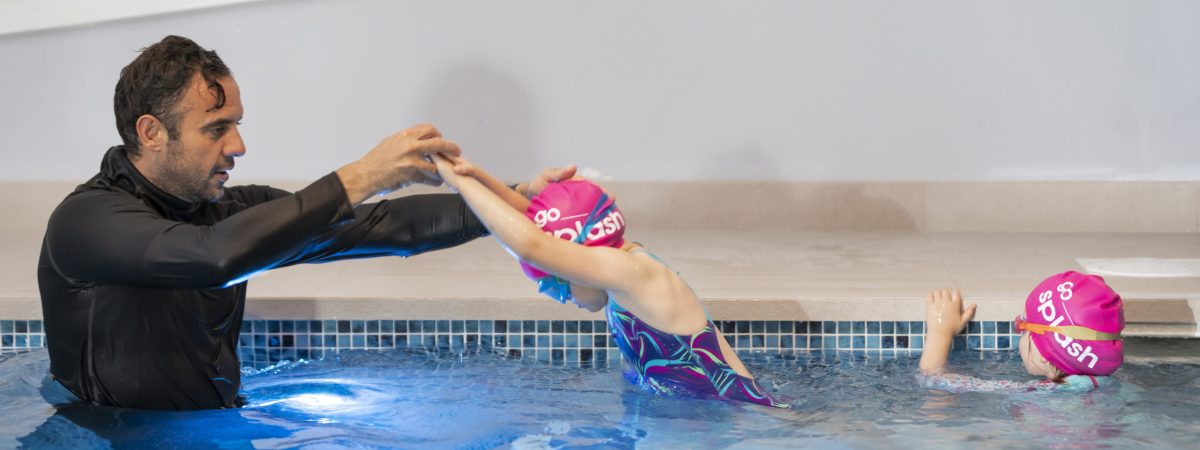
Every child's swimming journey is different
Some children can’t wait to jump into the pool from their very first lesson.
Others prefer to watch for a while before joining in.
Some are confident one week and unexpectedly anxious the next.
All of these experiences are completely normal.
As adults, we sometimes forget just how much is happening in a swimming lesson. The water feels different, the environment is unfamiliar, there are new routines to follow, and children are being asked to trust their bodies in a completely new way.
Learning to swim isn’t just about physical skills. It’s about building confidence, and confidence takes time.
Why might a child become nervous about swimming?
There’s rarely one single reason.
Sometimes children are nervous from the very beginning. Other times, they enjoy lessons for months before suddenly becoming reluctant.
There are lots of reasons this can happen:
- They’ve had a frightening experience in the water.
- They’ve moved into a new class with unfamiliar faces.
- They’ve been unwell or had a break from lessons.
- They’re finding a new skill challenging.
- They’ve become more aware of what they’re being asked to do.
- They’re simply having a difficult day.
Sometimes there isn’t an obvious explanation at all.
Children’s confidence ebbs and flows in every part of life, not just swimming.
Please don't worry if your child cries - or refuses to get in the water
One of the things parents often say to us is: “I’m so sorry they’re upset.”
You never need to apologise.
We’ve seen children arrive smiling one week and in tears the next. We’ve seen confident swimmers suddenly become hesitant, and cautious children blossom into fearless ones.
Those moments don’t define your child’s swimming journey.
They’re simply part of it.
Progress isn't just about awards - little moments matter
It’s easy to focus on the big milestones:
- Swimming independently.
- Jumping into the pool.
- Putting their face underwater
But often, the biggest achievements are much smaller.
Maybe today your child walked onto poolside without holding your hand.
Perhaps they splashed happily for the first time.
Maybe they smiled at their teacher, or joined in with a game they usually sit out.
These moments matter. Confidence is built one small step at a time.

How you can help at home
Parents and caregivers play an incredibly important role in building water confidence. You don’t need to be a swimming expert. Often, it’s the little things that make the biggest difference.
Keep swimming positive
Try to talk about swimming with excitement rather than pressure.
Instead of asking: “Are you going to swim properly today?”
You might ask: “What do you think you’ll enjoy most today?”
Children often pick up on our expectations, even when we don’t realise it.
Celebrate effort, not perfection
Rather than focusing on what your child achieved, celebrate the courage it took to try. You might say:
“I loved how you kept going.”
“You were really brave today.”
“I could see you trying something new.”
Those messages help build resilience as well as confidence.
Keep the routine familiar
Children often feel more secure when they know what to expect.
Packing the swimming bag together, talking about the journey, or having the same post-swim snack can all help lessons feel like a comfortable part of the weekly routine.
Trust the process
Progress doesn’t always happen from one lesson to the next. Sometimes it feels as though nothing is changing. Then suddenly, everything clicks.
Children often need time to process new experiences before they’re ready to move forward.
What experienced swimming teachers do differently
One of the most important parts of teaching swimming isn’t demonstrating technique. It’s recognising what each child needs on that particular day.
Sometimes that’s gentle encouragement. Sometimes it’s giving a child a little more time to observe before joining in. Sometimes it’s celebrating something that might seem tiny to everyone else—but feels enormous to that child.
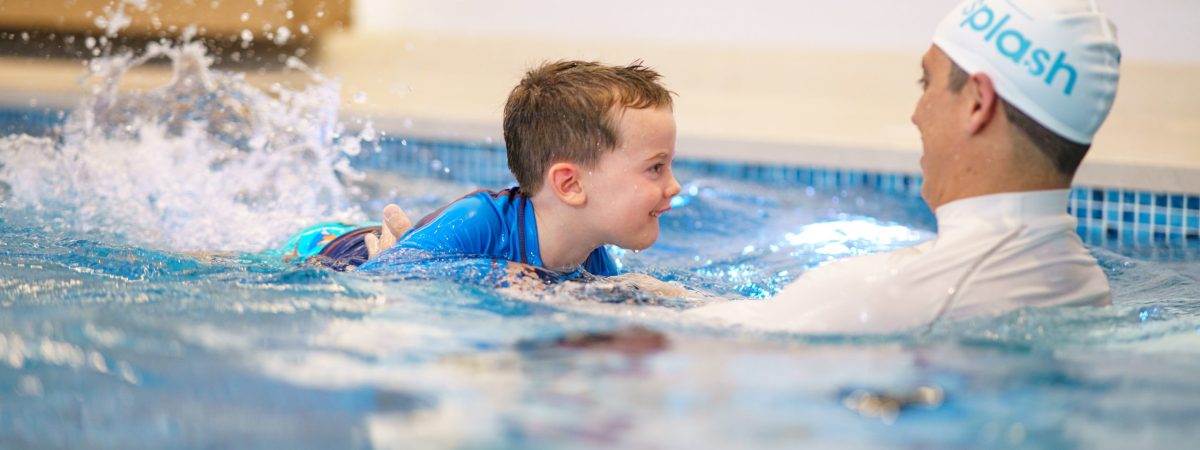
Experienced teachers know that confidence can’t be rushed. Instead, they create an environment where children feel safe enough to keep trying. Because that’s where learning really begins.
But my child won't even get into the water!
This can feel incredibly stressful for parents.
It may help to remember that refusing isn’t always about swimming itself. Children might be feeling tired, overwhelmed, anxious or simply uncertain about what will happen next.
Rather than seeing refusal as failure, try to think of it as communication. They’re telling us they need reassurance.
With patience and consistency, most children gradually become more comfortable again.
Should we stop swimming lessons?
Every family is different, and sometimes taking a short break is the right decision.
More often, though, children benefit from gentle consistency. Attending lessons regularly helps swimming become familiar and predictable, which is often exactly what nervous children need.
If you’re worried, speak to your swimming teacher. Together, you can decide on the best approach for your child.
No, your child is not 'behind'.
Parents sometimes tell us they’re worried because another child the same age is swimming independently.
It’s completely understandable to compare. But children don’t all learn at the same pace. Some develop physical skills quickly. Others build confidence first. Neither journey is better than the other.
Learning to swim isn’t a competition! The goal isn’t simply to reach the next stage. It’s to help children feel safe, capable and happy in the water for life.
A final thought for parents and caregivers
If your child is finding swimming difficult at the moment, please don’t lose heart.
Some of the most confident swimmers we’ve taught are the children who needed a little extra reassurance at the beginning.
They remind us that confidence isn’t about never feeling nervous. It’s about discovering, step by step, that you can do something you once thought was impossible.
As parents and caregivers, it’s natural to want to fix things quickly when your child is upset. But sometimes the greatest gift we can give them is the time, patience and encouragement to find their confidence in their own way.
And when that moment comes – whether it’s blowing bubbles for the first time, floating independently or swimming across the pool with a huge smile – you’ll know every small step along the way was worth it.
Questions parents often ask:
Is it normal for a child to cry during swimming lessons?
It is more common than you might realise! New environments and new experiences can feel overwhelming, especially for younger children. Crying doesn’t necessarily mean lessons aren’t working; it often means your child is still building confidence.
What if my child won't put their face in the water?
This is one of the most common stages of learning to swim. With patient encouragement and activities that build trust, most children gradually become more comfortable when they’re ready. At GetSetSwim, our experienced instructors use play to build trust and encourage children to try without things becoming a big deal.
Have we started swimming lessons too late?
It’s never too late to learn to swim. Every child (and adult!) begins their swimming journey from a different place, and confidence and a willingness to learn matters far more than starting at a particular age.
Should I stay to watch the lesson?
Many children enjoy knowing their parent or caregiver is nearby, especially in the early weeks – and at GetSetSwim we ask parents and caregivers to stay on site for the duration. As confidence grows, children often become more independent. Your swimming school can advise on what works best for your child.
Will my child always be afraid of swimming?
In most cases, no. Confidence grows gradually. With supportive teaching, patience and regular practice, many nervous children go on to become relaxed and confident swimmers.