

I was really pleased to see this initiative highlighted by the BBC, because it gets us talking about something I think we need to talk about much more: what happens to swimming and water safety education once children leave primary school?
For me, it also raises a much bigger question: are we expecting school swimming to do a job it was never designed to do?
We put a lot of focus on getting children to the point where they can swim 25 metres. And of course, that matters. But I worry that 25 metres has become a finish line in people’s minds when really, it should be a starting point.
School swimming has an incredibly important role to play. It may be the only opportunity some children have to learn these essential skills. But we shouldn’t expect a relatively small amount of curriculum swimming to do everything.
The national curriculum sets out a minimum standard. Children should be able to swim at least 25 metres, use a range of strokes and perform safe self-rescue.
Those are important outcomes. They are not the same thing as becoming a confident, capable swimmer.
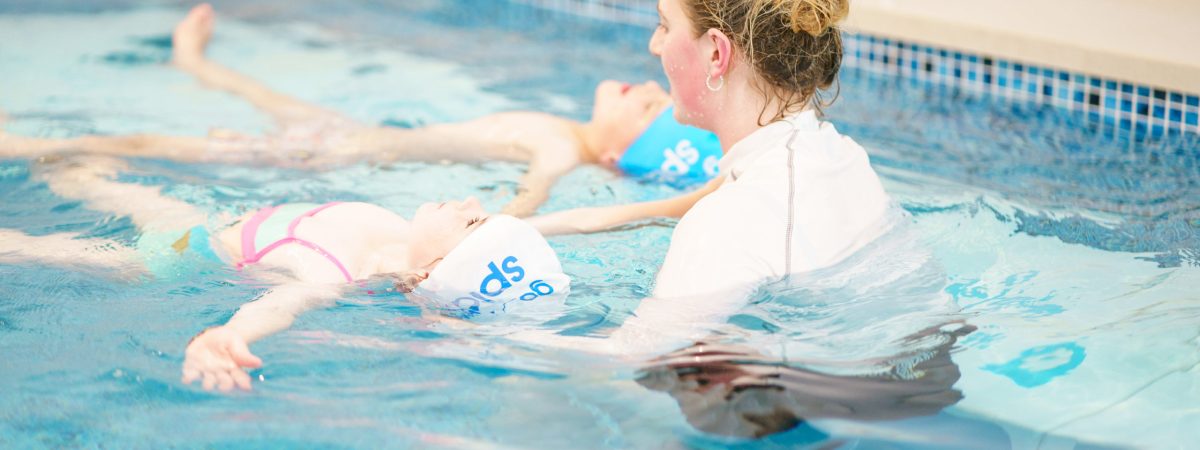
There is a difference between meeting a standard and learning to swim well
Anyone who teaches swimming will know that children don’t arrive at the pool in neat little groups.
One child might already be swimming confidently. Another might be nervous about putting their face in the water. Someone else may have had lessons outside school for years. Then there are children who are experiencing the water for the first time.
School swimming has to work within the time and resources available, and that can make individual progression difficult. Pool time is expensive. Getting children to and from the pool can be expensive. Schools are often trying to deliver swimming within tight budgets and limited access to facilities.
So you can end up with a large group of children at very different stages, all needing something slightly different from their lesson.
The teacher has to keep everyone moving together. The child who is struggling needs support, while the confident swimmer needs enough challenge to keep progressing. It isn’t easy to stretch everyone at once.
And often, the first couple of sessions are about finding out where everyone actually is:
- Who can already swim?
- Who is nervous?
- Who needs help with breathing?
- Who is confident on their front but not their back?
- Who needs to build a little trust before they’re ready to try something new?
By the time you’ve worked that out, you may already have used a meaningful chunk of the swimming programme.
This isn’t a criticism of school swimming teachers. Quite the opposite. I’ve met some incredibly committed teachers working within very real constraints. It’s about recognising what we can realistically achieve in the amount of time available.
Twenty-five metres isn't the end
The latest figures show that 73% of children leave primary school able to swim 25 metres. That’s an improvement, but it still means roughly one in four don’t reach that standard.
And for the children who do, I don’t think we should say, “Great, that’s swimming sorted.”
- What happens when they are 13 and go to the pool with friends?
- What happens when they’re on holiday and someone suggests jumping into the sea?
- What happens if they fall into water unexpectedly, or find themselves somewhere deeper, colder or more difficult than the pool they’ve learned in?
Those situations require more than being able to swim 25 metres. They require judgement. Confidence. Water awareness. The ability to stay calm and know what to do next.
That’s why I was so pleased to see more attention being given to swimming and water safety beyond primary school. Even if it’s “just” water safety, it’s worth doing. If it saves a life, it’s worth it.
We need to talk about access too
There’s another part of this conversation that we can’t ignore: You can’t teach swimming without somewhere to swim.
Around 500 swimming pools have been lost across the UK since 2010. Swim England has described local pools as being at the heart of swimming education, with closures affecting families’ access and schools’ opportunities to provide swimming.
That is extraordinary when you stop and think about it.
We’re telling children that swimming is an essential life skill while, in many parts of the country, making it harder to get into a pool in the first place.
And access isn’t equal. Swim England has reported significant differences in swimming attainment between children from more and less affluent families.
This matters particularly to me as someone building swimming schools in London, where access to swimming isn’t simply about whether there is a pool somewhere nearby. Access isn’t simply about whether there’s a pool somewhere nearby. It’s about whether families and schools can actually access consistent, quality teaching.
I don’t think there is one simple answer to that. But I do think we need to acknowledge the problem, protect the pools we have and keep creating opportunities for children to learn.
That’s part of why I wanted to build GetSetSwim. I wanted to create really good places for children to learn to swim – places where they can build confidence, develop proper skills and enjoy being in the water.
I’m very aware that one swimming school isn’t going to solve a national problem – but I do think those of us working in swimming have a part to play.
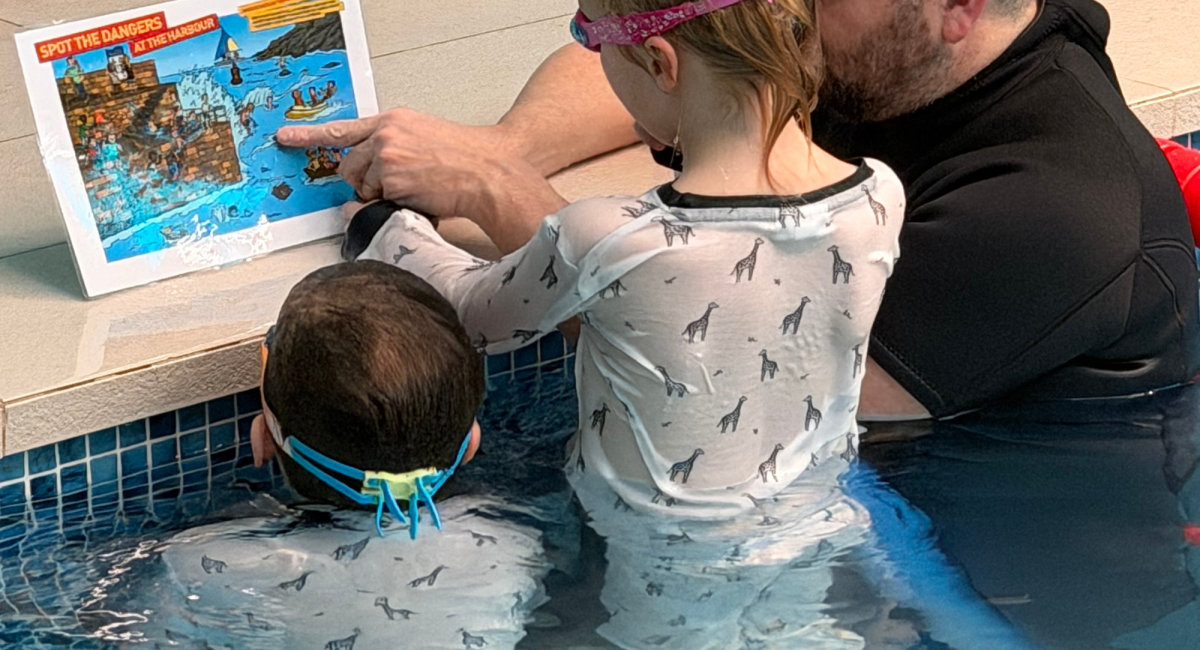
Water Safety shouldn't be an annual reminder
At GetSetSwim, we’ve made water safety a much bigger part of our swimming education.
Every child aged 3+ who swims with us takes part in Water Safety Week three times a year.
They put on their pyjamas. It always gets a few funny looks, but there is a very good reason for it. If a child unexpectedly falls into water, they’re unlikely to be wearing their swimming costume. We want them to experience what it feels like to move in the water in ordinary clothes, in a safe and controlled environment.
They practise safe entry and exit, what to do if they fall in, how to tread water, how to stay calm and conserve energy, and how to perform a simple reach rescue.
It’s practical. It’s memorable. And we take it very seriously because learning to swim is one part of water safety. Knowing what to do when something goes wrong is another.
So, what should happen after Primary School?
For me, the answer isn’t complicated: Swimming shouldn’t suddenly stop being important because a child has reached Year 6. They should have the opportunity to keep developing their swimming. They should keep learning about water safety. And as they become more independent, they should understand the risks that come with swimming in different environments.
The goal isn’t simply to produce children who can swim 25 metres. It’s to give them the skills and confidence to enjoy the water safely for the rest of their lives.
That’s why I welcome initiatives that bring swimming and water safety into secondary school. We need more of them. More swimming education. More access. More conversations about water safety. And more of us playing our part.
If giving a child one more skill, one more piece of knowledge or one more bit of confidence helps them stay safe around water, it’s worth doing.